
The coconut tree (Cocos nucifera L.) represents one of the most versatile and multifunctional crops known to humankind. Virtually every part of the tree—including its roots, trunk, leaves, husk, shell, water, and meat—can be utilized for food, health products, energy, construction materials, household items, and industrial applications. This extensive utility has led to the coconut often being described as the ‘tree of life.’

Historically, coconuts required little to no deliberate cultivation. Their fruits naturally dispersed through ocean currents and germinated across tropical coastlines, allowing the species to spread and flourish independently. This biological capacity for self-propagation not only ensured the survival and expansion of coconut populations but also underscores the crop’s inherent sustainability in ecological and agricultural contexts.

In Indonesia, the world’s largest coconut-producing nation, the tree holds profound socio-cultural and historical significance. Beyond its economic role, the coconut has been deeply interwoven into the nation’s identity, traditional practices, and daily life—from culinary heritage and traditional medicine to rituals, crafts, and community livelihoods. Thus, the coconut tree is not merely an agricultural commodity, but an enduring symbol of resilience, sustainability, and cultural continuity across generations.

Galih Batara Muda, 
CEO and Founder of Roemah Kelapa Indonesia

Jakarta, 18 Agustus 2025


RoeKI Strategic Project Map: The Direction for Strengthening the Region-Based National Coconut Ecosystem

RoeKI Strategic Project Map: The Direction for Strengthening the Region-Based National Coconut Ecosystem

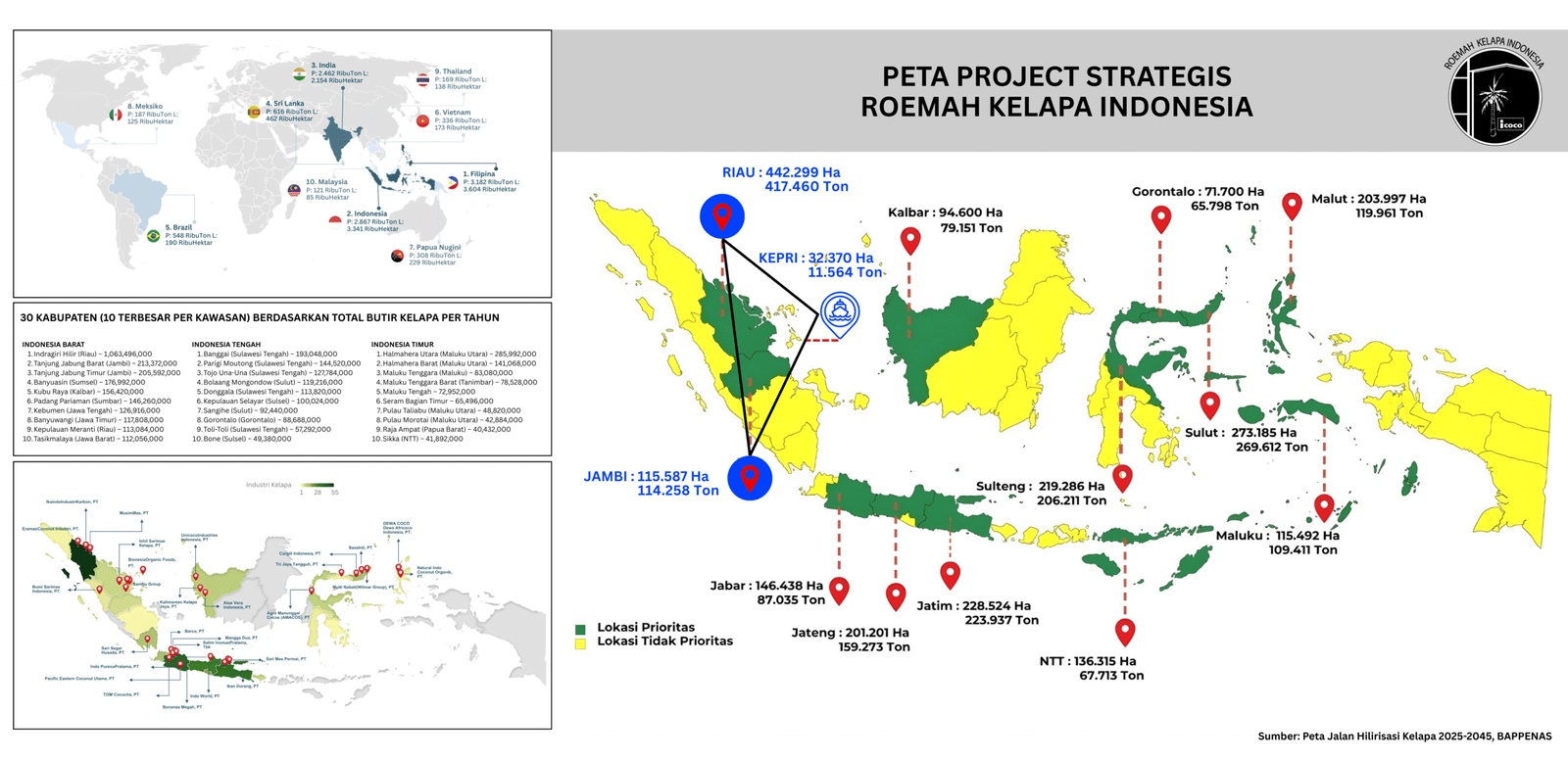
The Strategic Project Map of Roemah Kelapa Indonesia (RoeKI) outlines the direction and priorities for developing Indonesia’s national coconut ecosystem in a structured manner, grounded in regional potential and aligned with the country’s downstream industrialization and bioeconomy strategies. This map serves as RoeKI’s visual planning foundation in building an integrated coconut industry from upstream to downstream, using a collaborative, sustainable, and data-driven approach.

As one of the world’s largest coconut-producing countries, Indonesia possesses vast and diverse coconut plantation areas. Through this mapping initiative, RoeKI identifies priority regions based on planted area size, estimated production, and the readiness of supporting ecosystems, ensuring that each development initiative delivers optimal economic and social impact for farmers, industry players, and local governments.

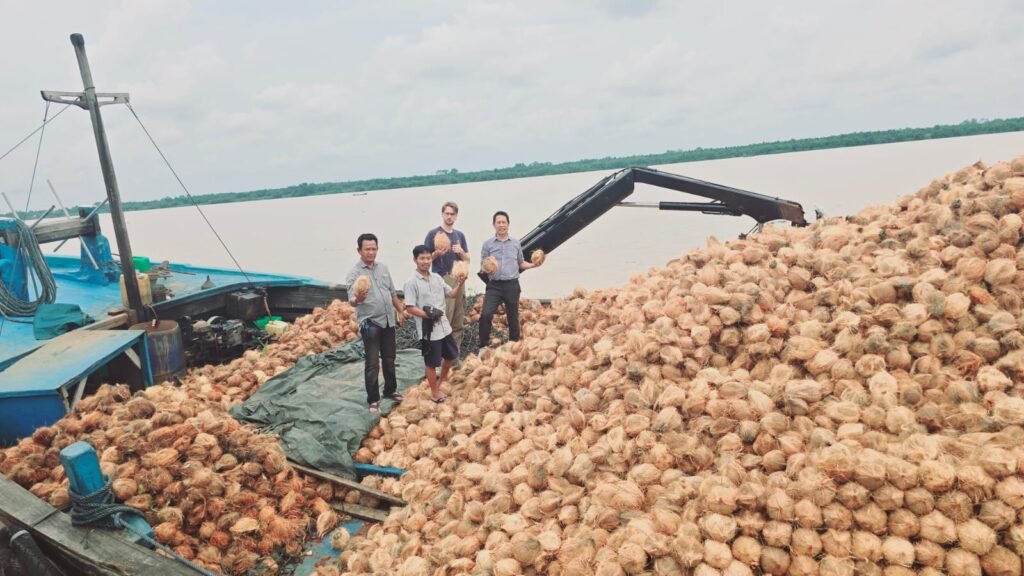
One of the primary focuses of this map is the establishment of the strategic “Coconut Triangle” cluster connecting Riau, Kepulauan Riau, and Jambi. These three regions share geographical, logistical, and historical linkages within the coconut supply chain and hold significant potential to be developed as national hubs for production, processing, and distribution. Riau and Jambi serve as major production bases with substantial plantation areas, while Kepulauan Riau occupies a strategic position as a logistics node and gateway for downstream processing toward both domestic and export markets.

Beyond this triangle cluster, RoeKI’s map also highlights other priority regions such as Sulawesi Utara, Sulawesi Tengah, Maluku, Maluku Utara, Jawa Timur, Jawa Tengah, and Nusa Tenggara Timur, all of which make important contributions to national coconut production. In these areas, RoeKI promotes the strengthening of smallholder coconut cultivation, productivity enhancement, and the development of value-added downstream industries.

The map clearly distinguishes between priority and non-priority locations as part of a phased development strategy. This approach enables RoeKI to concentrate resources, investments, and innovation programs in regions with the highest level of readiness, while simultaneously preparing medium- and long-term development roadmaps for other areas to gradually integrate into the national coconut ecosystem.

In the global context, the map also positions Indonesia within the landscape of the world’s coconut-producing countries, reaffirming the country’s strategic role in the international supply chain. This provides a foundation for RoeKI to enhance the competitiveness of Indonesian coconut products through standardization, product innovation, and accelerated downstream development.

The RoeKI Strategic Project Map is formulated in alignment with national policy directions, including the coconut downstream roadmap and the development of a bioeconomy based on biological resources. Through this mapping initiative, RoeKI reaffirms its vision to build a measurable, inclusive, and sustainable national coconut ecosystem—not merely as a supplier of raw materials, but as the foundation of a future-oriented industry capable of generating added value, employment opportunities, and broad-based community prosperity.


The Strategic Project Map of Roemah Kelapa Indonesia (RoeKI) outlines the direction and priorities for developing Indonesia’s national coconut ecosystem in a structured manner, grounded in regional potential and aligned with the country’s downstream industrialization and bioeconomy strategies. This map serves as RoeKI’s visual planning foundation in building an integrated coconut industry from upstream to downstream, using a collaborative, sustainable, and data-driven approach.

As one of the world’s largest coconut-producing countries, Indonesia possesses vast and diverse coconut plantation areas. Through this mapping initiative, RoeKI identifies priority regions based on planted area size, estimated production, and the readiness of supporting ecosystems, ensuring that each development initiative delivers optimal economic and social impact for farmers, industry players, and local governments.

One of the primary focuses of this map is the establishment of the strategic “Coconut Triangle” cluster connecting Riau, Kepulauan Riau, and Jambi. These three regions share geographical, logistical, and historical linkages within the coconut supply chain and hold significant potential to be developed as national hubs for production, processing, and distribution. Riau and Jambi serve as major production bases with substantial plantation areas, while Kepulauan Riau occupies a strategic position as a logistics node and gateway for downstream processing toward both domestic and export markets.

Beyond this triangle cluster, RoeKI’s map also highlights other priority regions such as Sulawesi Utara, Sulawesi Tengah, Maluku, Maluku Utara, Jawa Timur, Jawa Tengah, and Nusa Tenggara Timur, all of which make important contributions to national coconut production. In these areas, RoeKI promotes the strengthening of smallholder coconut cultivation, productivity enhancement, and the development of value-added downstream industries.

The map clearly distinguishes between priority and non-priority locations as part of a phased development strategy. This approach enables RoeKI to concentrate resources, investments, and innovation programs in regions with the highest level of readiness, while simultaneously preparing medium- and long-term development roadmaps for other areas to gradually integrate into the national coconut ecosystem.

In the global context, the map also positions Indonesia within the landscape of the world’s coconut-producing countries, reaffirming the country’s strategic role in the international supply chain. This provides a foundation for RoeKI to enhance the competitiveness of Indonesian coconut products through standardization, product innovation, and accelerated downstream development.

The RoeKI Strategic Project Map is formulated in alignment with national policy directions, including the coconut downstream roadmap and the development of a bioeconomy based on biological resources. Through this mapping initiative, RoeKI reaffirms its vision to build a measurable, inclusive, and sustainable national coconut ecosystem—not merely as a supplier of raw materials, but as the foundation of a future-oriented industry capable of generating added value, employment opportunities, and broad-based community prosperity.


Indonesian Coconut: A Source of Livelihood, Business Opportunity, and the Future of a Sustainable Industry

Indonesian Coconut: A Source of Livelihood, Business Opportunity, and the Future of a Sustainable Industry

Coconut is one of the most important commodities in Indonesia. Across coastal and rural regions, coconut has long been an integral part of daily life. Beyond being a food source, it serves as a livelihood foundation, a business opportunity, and a pillar of sustainable industry.

Indonesia is widely recognized as one of the world’s largest coconut producers, with extraordinary potential spanning from upstream cultivation to downstream processing. From a single coconut, a wide range of high-value products can be produced to meet both domestic and global market demands.

Roemah Kelapa Indonesia is present as a center for information, education, and collaboration to maximize the potential of Indonesian coconut.


The Vast Potential of Indonesian Coconut

Indonesia has millions of hectares of coconut plantations spread across regions such as Sulawesi, Maluku, Sumatra, Kalimantan, and Java. Indonesian coconuts are highly regarded because they:

  • Grow naturally in a tropical climate

  • Have high-quality coconut meat

  • Offer year-round sustainable production

  • Are supported by strong local labor and traditional knowledge

Indonesian coconut is not merely an agricultural commodity—it is a strategic national asset.


High-Value Coconut Derivative Products

Indonesian coconut products carry strong economic value, with steadily increasing global demand. Some of the leading coconut-based products include:

  • Virgin Coconut Oil (VCO)

  • Organic coconut sugar

  • Instant coconut milk

  • Coconut flour

  • Coconut shell charcoal briquettes

  • Cocopeat and cocofiber

  • Packaged coconut water

  • Coconut shell handicrafts

These products have become key export commodities to various international markets.


Coconut and Business Opportunities in the Modern Era

Today, the coconut business is no longer limited to traditional-scale operations. Technological innovation and growing consumer awareness of natural and sustainable products have positioned coconut as a future-oriented commodity.

Business opportunities in the coconut sector include:

  • Small and medium-scale coconut processing enterprises

  • Food and beverage industries

  • Health and cosmetic products

  • Renewable energy solutions

  • Export-oriented coconut product ventures

Roemah Kelapa Indonesia supports coconut business development from farmers to global markets.


The Role of Roemah Kelapa Indonesia

Roemah Kelapa Indonesia is established as:

  • A center for coconut information and education

  • A collaboration hub for farmers, SMEs, and industry players

  • A platform for coconut product innovation

  • A driver of coconut-based economic development

  • A promoter of Indonesian coconut branding

Coconut is not merely a tropical fruit—it is a source of life and boundless opportunity. With proper management and strategic development, Indonesian coconut has the potential to become a global economic force. Roemah Kelapa Indonesia is committed to being part of this transformative journey, positioning coconut as a symbol of prosperity and sustainability for Indonesia.

Coconut is one of the most important commodities in Indonesia. Across coastal and rural regions, coconut has long been an integral part of daily life. Beyond being a food source, it serves as a livelihood foundation, a business opportunity, and a pillar of sustainable industry.

Indonesia is widely recognized as one of the world’s largest coconut producers, with extraordinary potential spanning from upstream cultivation to downstream processing. From a single coconut, a wide range of high-value products can be produced to meet both domestic and global market demands.

Roemah Kelapa Indonesia is present as a center for information, education, and collaboration to maximize the potential of Indonesian coconut.


The Vast Potential of Indonesian Coconut

Indonesia has millions of hectares of coconut plantations spread across regions such as Sulawesi, Maluku, Sumatra, Kalimantan, and Java. Indonesian coconuts are highly regarded because they:

  • Grow naturally in a tropical climate
  • Have high-quality coconut meat
  • Offer year-round sustainable production
  • Are supported by strong local labor and traditional knowledge

Indonesian coconut is not merely an agricultural commodity—it is a strategic national asset.


High-Value Coconut Derivative Products

Indonesian coconut products carry strong economic value, with steadily increasing global demand. Some of the leading coconut-based products include:

  • Virgin Coconut Oil (VCO)
  • Organic coconut sugar
  • Instant coconut milk
  • Coconut flour
  • Coconut shell charcoal briquettes
  • Cocopeat and cocofiber
  • Packaged coconut water
  • Coconut shell handicrafts

These products have become key export commodities to various international markets.


Coconut and Business Opportunities in the Modern Era

Today, the coconut business is no longer limited to traditional-scale operations. Technological innovation and growing consumer awareness of natural and sustainable products have positioned coconut as a future-oriented commodity.

Business opportunities in the coconut sector include:

  • Small and medium-scale coconut processing enterprises
  • Food and beverage industries
  • Health and cosmetic products
  • Renewable energy solutions
  • Export-oriented coconut product ventures

Roemah Kelapa Indonesia supports coconut business development from farmers to global markets.


The Role of Roemah Kelapa Indonesia

Roemah Kelapa Indonesia is established as:

  • A center for coconut information and education
  • A collaboration hub for farmers, SMEs, and industry players
  • A platform for coconut product innovation
  • A driver of coconut-based economic development
  • A promoter of Indonesian coconut branding

Coconut is not merely a tropical fruit—it is a source of life and boundless opportunity. With proper management and strategic development, Indonesian coconut has the potential to become a global economic force. Roemah Kelapa Indonesia is committed to being part of this transformative journey, positioning coconut as a symbol of prosperity and sustainability for Indonesia.

MoU Signing Between IPB University and RoeKI

MoU Signing Between IPB University and RoeKI

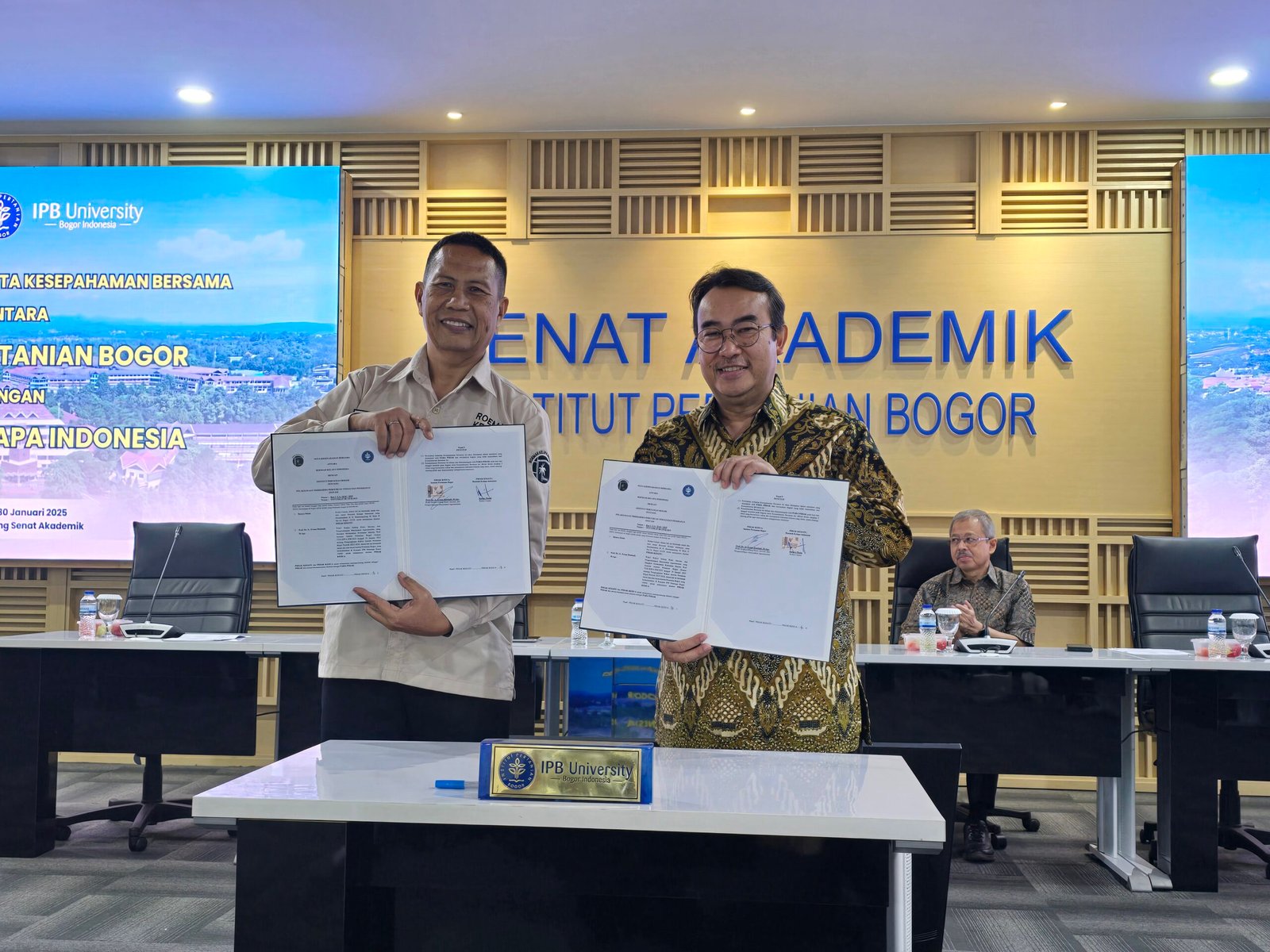
As part of its long-term commitment to advancing a sustainable national coconut sector, Roemah Kelapa Indonesia (RoeKI) has officially established a strategic partnership with IPB University through the signing of a Memorandum of Understanding (MoU). The MoU signing took place on January 30, 2025, at the IPB Dramaga Campus in Bogor, marking an important milestone in strengthening synergy between a civil society organization and one of Indonesia’s leading academic institutions.

This collaboration aims to integrate IPB University’s academic excellence and research capabilities with RoeKI’s field experience and extensive network in the coconut sector. Through this MoU, both parties have agreed to promote cooperation in several key areas, including coconut research and technological development, human resource capacity building, dissemination of research findings, and the implementation of innovations that directly benefit coconut farmers and industry stakeholders.

The signing of this MoU also reflects the shared vision of RoeKI and IPB University in recognizing coconut as a strategic commodity with a vital role in food security, national economic development, and the welfare of coastal and rural communities. With scientific expertise and technological support from IPB University, RoeKI expects that initiatives arising from this collaboration will address key challenges in the coconut sector while unlocking new opportunities for a more modern, productive, and competitive coconut industry.

Moving forward, RoeKI and IPB University are committed to translating this Memorandum of Understanding into concrete programs, including collaborative research initiatives, farmer training and mentoring, the development of superior coconut propagation technologies, and the formulation of science-based policy recommendations. This synergy is expected to deliver tangible contributions to the advancement of Indonesia’s coconut sector and generate broad benefits for communities across the country.

As part of its long-term commitment to advancing a sustainable national coconut sector, Roemah Kelapa Indonesia (RoeKI) has officially established a strategic partnership with IPB University through the signing of a Memorandum of Understanding (MoU). The MoU signing took place on January 30, 2025, at the IPB Dramaga Campus in Bogor, marking an important milestone in strengthening synergy between a civil society organization and one of Indonesia’s leading academic institutions.

This collaboration aims to integrate IPB University’s academic excellence and research capabilities with RoeKI’s field experience and extensive network in the coconut sector. Through this MoU, both parties have agreed to promote cooperation in several key areas, including coconut research and technological development, human resource capacity building, dissemination of research findings, and the implementation of innovations that directly benefit coconut farmers and industry stakeholders.

The signing of this MoU also reflects the shared vision of RoeKI and IPB University in recognizing coconut as a strategic commodity with a vital role in food security, national economic development, and the welfare of coastal and rural communities. With scientific expertise and technological support from IPB University, RoeKI expects that initiatives arising from this collaboration will address key challenges in the coconut sector while unlocking new opportunities for a more modern, productive, and competitive coconut industry.

Moving forward, RoeKI and IPB University are committed to translating this Memorandum of Understanding into concrete programs, including collaborative research initiatives, farmer training and mentoring, the development of superior coconut propagation technologies, and the formulation of science-based policy recommendations. This synergy is expected to deliver tangible contributions to the advancement of Indonesia’s coconut sector and generate broad benefits for communities across the country.

Tissue Culture Seminar: Ministry of Foreign Affairs of the Republic of Indonesia - RoeKI

Tissue Culture Seminar: Ministry of Foreign Affairs of the Republic of Indonesia - RoeKI

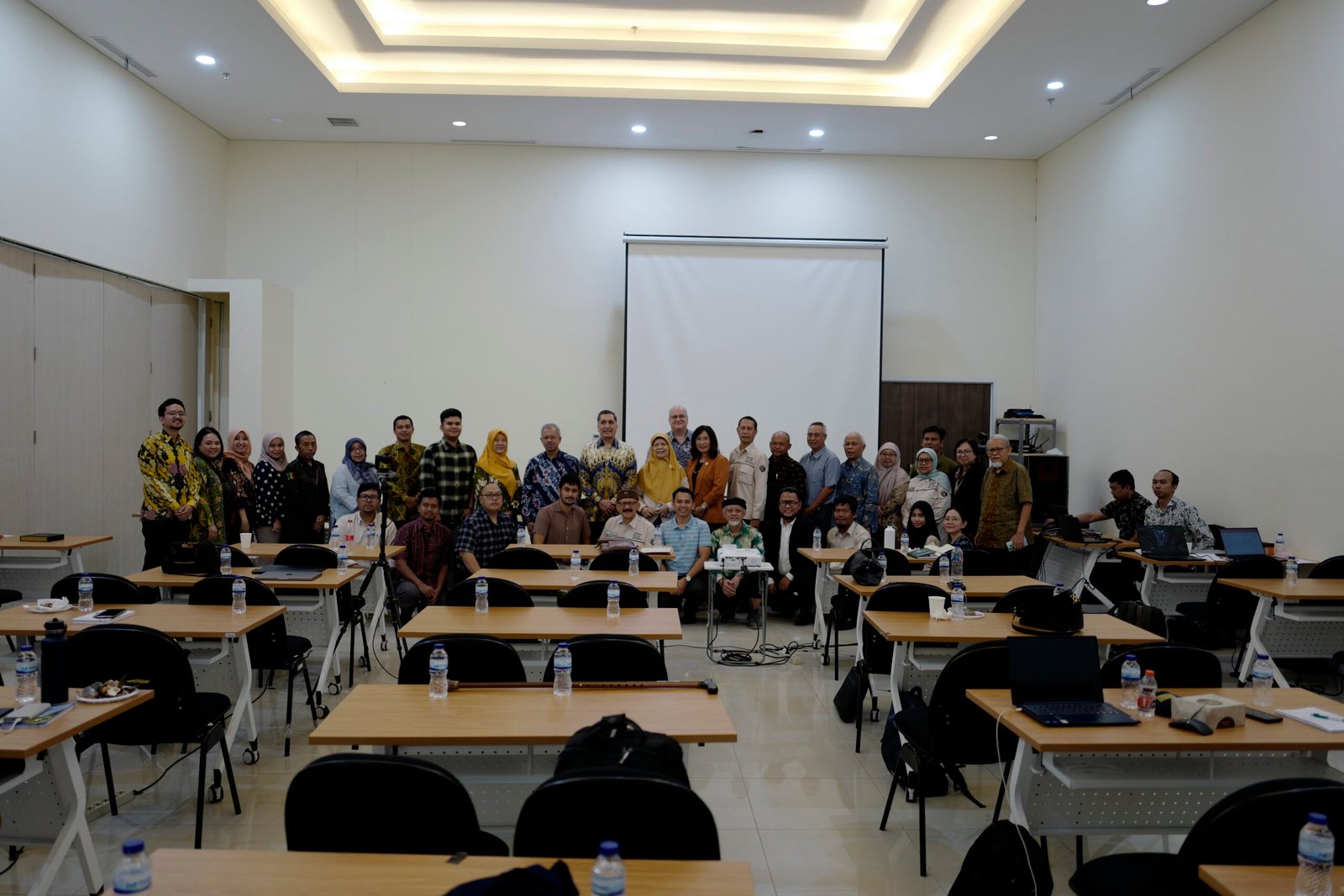
Roemah Kelapa Indonesia (RoeKI) views the strengthening of Indonesia’s national coconut sector as a strategic agenda that extends beyond agriculture and farmer welfare, encompassing Indonesia’s position on the global stage. Based on this vision, RoeKI has established strategic collaboration with the Kementerian Luar Negeri Republik Indonesia (Ministry of Foreign Affairs of the Republic of Indonesia) to promote economic diplomacy centered on leading national commodities, particularly coconut.

One concrete manifestation of this collaboration is the organization of an international seminar on coconut tissue culture, initiated by the Ministry of Foreign Affairs and conducted in partnership with RoeKI and IPB University as the primary academic partner. The seminar served as a strategic forum bringing together a wide range of stakeholders—including researchers, academics, industry practitioners, and representatives from partner countries—to discuss the role of tissue culture as a key technology in the propagation of superior coconut seedlings and the advancement of sustainable coconut productivity.

The seminar was held in a hybrid format (offline and online) to enable broader participation from both domestic and international audiences. This hybrid implementation reflects a spirit of inclusivity and global collaboration in advancing the coconut sector, while strengthening cross-border knowledge exchange.

For RoeKI, the seminar was not merely a scientific forum, but part of a long-term effort to bridge research and innovation with real-world needs in the field. RoeKI plays an active role as a connector between academia, government, and communities—particularly coconut farmers—to ensure that tissue culture technology can be adopted more widely and applied effectively.

The involvement of the Ministry of Foreign Affairs underscores that the coconut sector carries broader dimensions beyond agriculture alone. Coconut is part of economic diplomacy, food security, and international cooperation, with significant potential to reinforce Indonesia’s position as one of the world’s centers for coconut development. Through this collaboration, RoeKI, the Ministry of Foreign Affairs, and IPB University present Indonesia as a country not only rich in coconut resources, but also committed to advancing research and technology to support a sustainable coconut industry.

Roemah Kelapa Indonesia (RoeKI) views the strengthening of Indonesia’s national coconut sector as a strategic agenda that extends beyond agriculture and farmer welfare, encompassing Indonesia’s position on the global stage. Based on this vision, RoeKI has established strategic collaboration with the Kementerian Luar Negeri Republik Indonesia (Ministry of Foreign Affairs of the Republic of Indonesia) to promote economic diplomacy centered on leading national commodities, particularly coconut.

One concrete manifestation of this collaboration is the organization of an international seminar on coconut tissue culture, initiated by the Ministry of Foreign Affairs and conducted in partnership with RoeKI and IPB University as the primary academic partner. The seminar served as a strategic forum bringing together a wide range of stakeholders—including researchers, academics, industry practitioners, and representatives from partner countries—to discuss the role of tissue culture as a key technology in the propagation of superior coconut seedlings and the advancement of sustainable coconut productivity.

The seminar was held in a hybrid format (offline and online) to enable broader participation from both domestic and international audiences. This hybrid implementation reflects a spirit of inclusivity and global collaboration in advancing the coconut sector, while strengthening cross-border knowledge exchange.

For RoeKI, the seminar was not merely a scientific forum, but part of a long-term effort to bridge research and innovation with real-world needs in the field. RoeKI plays an active role as a connector between academia, government, and communities—particularly coconut farmers—to ensure that tissue culture technology can be adopted more widely and applied effectively.

The involvement of the Ministry of Foreign Affairs underscores that the coconut sector carries broader dimensions beyond agriculture alone. Coconut is part of economic diplomacy, food security, and international cooperation, with significant potential to reinforce Indonesia’s position as one of the world’s centers for coconut development. Through this collaboration, RoeKI, the Ministry of Foreign Affairs, and IPB University present Indonesia as a country not only rich in coconut resources, but also committed to advancing research and technology to support a sustainable coconut industry.

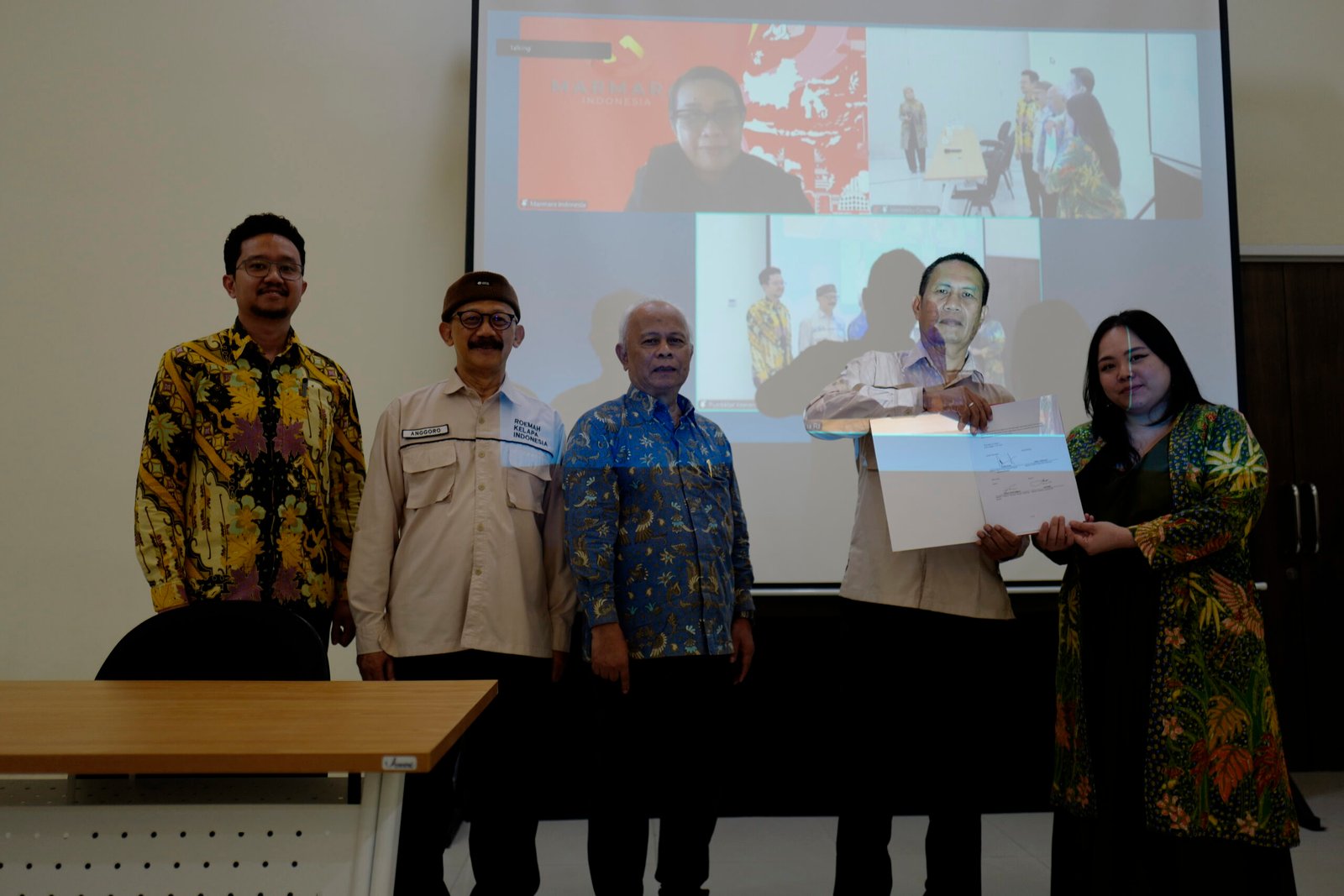
The seminar was also marked by an important milestone: the signing of a Memorandum of Understanding (MoU) between Roemah Kelapa Indonesia (RoeKI) and Marmara Indonesia. The MoU signing symbolized a shared commitment to building a strategic partnership aimed at supporting innovation, capacity building, and the long-term sustainability of Indonesia’s coconut industry.

The partnerships fostered through this seminar have generated several strategic impacts, including:

  • Strengthening economic diplomacy, by positioning coconut as a strategic commodity in bilateral and multilateral relations.

  • Knowledge and technology transfer, through academic collaboration between RoeKI, IPB University, and international partners.

  • Capacity building for coconut farmers and industry players, by translating tissue culture research into practical field applications.

  • Enhancing Indonesia’s global image as a center for coconut innovation and development.

Looking ahead, RoeKI remains committed to continued collaboration with the Kementerian Luar Negeri Republik Indonesia, academic institutions, and other strategic partners in initiatives that strengthen the national coconut ecosystem. This collaboration demonstrates that the coconut sector can serve as a key pillar of Indonesia’s diplomacy—integrating economic development, scientific advancement, environmental sustainability, and community welfare into a unified strategic framework.

The seminar was also marked by an important milestone: the signing of a Memorandum of Understanding (MoU) between Roemah Kelapa Indonesia (RoeKI) and Marmara Indonesia. The MoU signing symbolized a shared commitment to building a strategic partnership aimed at supporting innovation, capacity building, and the long-term sustainability of Indonesia’s coconut industry.

The partnerships fostered through this seminar have generated several strategic impacts, including:

  • Strengthening economic diplomacy, by positioning coconut as a strategic commodity in bilateral and multilateral relations.

  • Knowledge and technology transfer, through academic collaboration between RoeKI, IPB University, and international partners.

  • Capacity building for coconut farmers and industry players, by translating tissue culture research into practical field applications.

  • Enhancing Indonesia’s global image as a center for coconut innovation and development.

Looking ahead, RoeKI remains committed to continued collaboration with the Kementerian Luar Negeri Republik Indonesia, academic institutions, and other strategic partners in initiatives that strengthen the national coconut ecosystem. This collaboration demonstrates that the coconut sector can serve as a key pillar of Indonesia’s diplomacy—integrating economic development, scientific advancement, environmental sustainability, and community welfare into a unified strategic framework.